
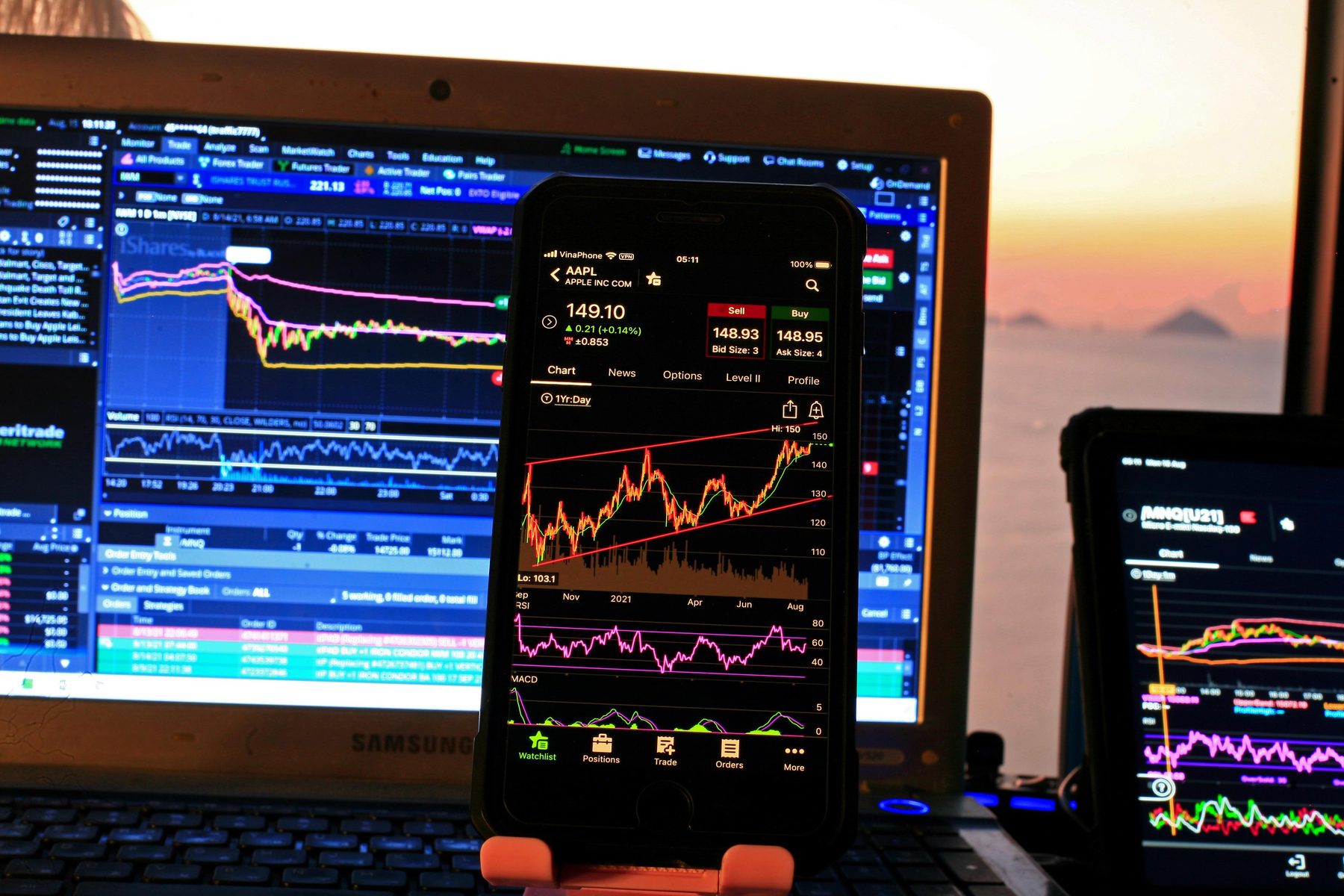
The past several weeks have been a good reminder of something we see repeatedly in investing: the stock market can move quickly, even when the underlying economy and long-term outlook have not changed dramatically.
After a strong first half of 2026, U.S. equities experienced a period of increased volatility beginning in late June and continuing through July and into August. Your July statements likely reflect the recent volatility we experienced. While the headlines have sometimes been unsettling, the broader picture is more balanced than the day-to-day market movements might suggest. The markets have recovered much in August.
In late June, technology and growth stocks, which you own much of, came under pressure as investors, spurred by continuous media speculation, reassessed expectations surrounding artificial intelligence, corporate spending, valuations, and interest rates. At the same time, markets continued to digest uncertainty surrounding tariffs, inflation, geopolitical developments, and the Federal Reserve’s interest-rate policy.
There were periods when investors rotated away from some of the market’s strongest-performing technology companies and toward other areas of the market such as energy and defense. This created noticeable swings in the major indexes, and many individual companies and sectors performed quite differently from one another.
July brought another round of volatility. Investors were closely watching corporate earnings, particularly from large technology companies, while also trying to determine the Federal Reserve’s next move. Strong corporate earnings provided support for stocks but concerns about inflation and interest rates periodically outweighed that good news.
One of the more significant market reactions came at the end of July, when the Federal Reserve left interest rates unchanged. Investors interpreted the Fed’s comments as indicating that interest-rate policy could remain restrictive for longer than some had hoped.
One of the most important supports for stocks has been corporate earnings. Companies, particularly many of the large technology companies, have continued to report strong results. Expectations for S&P 500 earnings growth for 2026 have increased significantly, with some estimates calling for growth in the mid-20% range. That matters because, over long periods, stock prices ultimately reflect the ability of companies to generate profits and cash flow.
At the same time, investors are asking reasonable questions about how much optimism is already reflected in stock prices. Artificial intelligence remains a major source of enthusiasm and investment, but the market is increasingly focused on whether the enormous amounts being spent on AI infrastructure will translate into sustainable earnings and productivity gains.
It is very easy to look at a large market move and feel that we should be “doing something” immediately. But successful investing generally does not come from reacting to headlines or attempting to predict which direction the market will take next. In fact, that is the reason why I have used the Point and Figure chart system for so long. The charts remove the market noise and lets us see the direction and magnitude of what investors are doing as opposed to what they are saying.
As we move through August, several factors will remain important: inflation, employment, Federal Reserve policy, corporate earnings, interest rates, tariffs and geopolitical developments. Markets will continue to react to new information, and we should expect additional periods of volatility. We also expect leadership within the market to continue to change. The strongest-performing investment in one period is not necessarily the strongest investment in the next. While continuing to monitor our charts on each investment, we will also continue to monitor the economic and market environment, evaluate valuations and earnings, and adjust when the long-term evidence warrants it.
The good news is that the U.S. economy and corporate America continue to show meaningful strengths. The market’s recent volatility does not change the long-term reasons for owning productive businesses. Our job is not to predict market moves. It is to help make sure your portfolio is positioned appropriately and to help you avoid making emotionally driven decisions when markets become unsettled.
Market volatility is not the same as investment risk, and a temporary decline is not the same as a permanent loss. A thoughtfully invested portfolio, combined with patience and discipline, can give investors the ability to weather periods like this without allowing short-term market noise to derail long-term financial goals.
As always, if your financial circumstances, retirement plans, spending needs, or tolerance for investment risk have changed, please reach out to us. Those are the factors that should drive changes to your portfolio—not the latest market headline.